PTSD Secondary Conditions Veterans Miss | VA Disability Claims
Download MP3PTSD Secondary Conditions Veterans Miss
Podcast Episode Show Notes
Many veterans know they can receive VA disability compensation for PTSD, but many don't realize PTSD may also contribute to other medical conditions that could qualify for secondary service connection. Unfortunately, these conditions are often overlooked during the claims process.
In this episode, we break down the medical and legal concepts behind PTSD secondary conditions, discuss why these claims are frequently missed, and explain the type of evidence that can make a difference.
Whether you're filing your first claim or appealing a denial, this conversation will help you better understand how PTSD can affect multiple body systems and why taking a comprehensive look at your medical history is so important.
What You'll Learn
- What secondary service connection means for VA disability claims
- Why PTSD claims often involve more than a mental health diagnosis
- The most commonly overlooked PTSD secondary conditions
- How medications prescribed for PTSD can contribute to additional disabilities
- When obesity may serve as an intermediate step in a secondary service connection claim
- The difference between medical literature and an individualized medical nexus opinion
- Common mistakes veterans make when filing secondary claims
- How accredited attorneys, claims agents, and Veterans Service Organizations (VSOs) can help identify additional theories of service connection
Conditions Discussed
- Obstructive Sleep Apnea (when medically supported)
- Chronic Insomnia
- Migraine Headaches
- Gastroesophageal Reflux Disease (GERD)
- Irritable Bowel Syndrome (IBS)
- Hypertension
- Sexual Dysfunction
- Medication Side Effects
- Chronic Fatigue
- Bruxism (Teeth Grinding)
- Temporomandibular Joint Disorder (TMJ)
- Chronic Pain Syndromes
- Obesity as an Intermediate Step
- Depression and Anxiety (when separately diagnosable and appropriate)
Key Takeaways
PTSD can affect far more than mental health alone. Veterans frequently focus on obtaining service connection for PTSD while overlooking other medical conditions that may have developed because of it.
However, every secondary claim must be supported by competent medical evidence. A diagnosis of PTSD alone does not automatically establish service connection for another condition. The strongest claims are supported by a thorough review of the veteran's medical records, relevant medical literature, and an individualized medical opinion when appropriate.
Resources Mentioned
- VA National Center for PTSD
- 38 CFR § 3.310 – Secondary Service Connection
- VA Schedule for Rating Disabilities (38 CFR Part 4)
- Accredited VA attorneys
- Accredited claims agents
- Veterans Service Organizations (VSOs)
About Prestige Veteran Medical Consulting
Prestige Veteran Medical Consulting provides independent, record-based medical opinions for veterans pursuing VA disability benefits. Our team works with veterans and accredited legal professionals to develop evidence-based nexus opinions founded on a comprehensive review of each veteran's medical history.
Learn more about our educational content, podcast episodes, and medical consulting services by following Prestige Veteran Medical Consulting on your favorite social media platforms.
Enjoying the Podcast?
If you found this episode helpful:
- Follow the podcast so you never miss a new episode.
- Leave a rating and written review—it helps more veterans discover the show.
- Share this episode with another veteran, family member, VSO, or attorney who may benefit from this information.
Disclaimer
This podcast is intended for educational purposes only and does not constitute legal or medical advice. Every VA disability claim is unique, and medical opinions should be based on an individualized review of the veteran's records. Veterans should consult an accredited VA representative regarding claims strategy and a qualified healthcare professional regarding medical concerns.
Creators and Guests
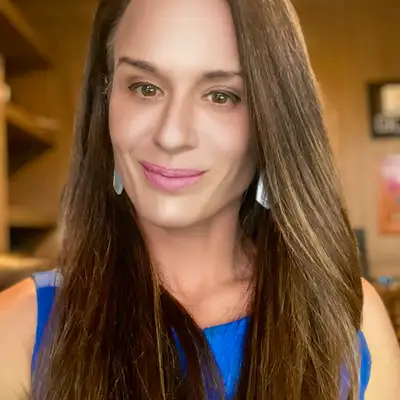
Host
Leah Bucholz
Leah Bucholz is an Army combat veteran, board-certified Physician Assistant, former VA C&P examiner, and the founder of Prestige Veteran Medical Consulting. Through her work in medical evidence review and veteran education, Leah helps veterans better understand the medical side of the VA disability process, including nexus letters, DBQs, C&P exams, and complex medical opinions. She is also the host of The Veterans Disability Nexus podcast, where she discusses VA disability medical evidence from an educational and evidence-based perspective.