5 most common reasons for denial with nexus in Veterans disability
Download MP3🎙️ 5 Most Common Reasons for Denial — Even With a Nexus Letter
Many Veterans believe that once they submit a nexus letter, approval should follow.
Unfortunately, that’s not always how VA adjudication works.
In this episode, we break down the five most common reasons VA disability claims are denied — even when a nexus letter is submitted. If you’ve received a denial and thought, “But I had a nexus,” this episode is for you.
We explain where things go wrong, what the VA is actually looking for, and how to think more strategically about evidence.
In This Episode, We Cover:
1️⃣ Conclusory Opinions Without Medical Rationale
A nexus must explain why the condition is connected to service — not just state that it is. We discuss what makes a medical opinion persuasive versus dismissible.
2️⃣ Failure to Address Negative Evidence
If the record contains treatment gaps, conflicting exams, or alternate risk factors, the opinion must account for them. Ignoring contrary evidence weakens probative value.
3️⃣ Missing or Inadequate Diagnosis
Service connection requires a current disability. We explain how diagnostic clarity can make or break a claim.
4️⃣ Provider Scope & Competency Issues
Not every provider is qualified to opine on every condition. The VA evaluates expertise and scope of practice when weighing opinions.
5️⃣ Conflicting C&P Examinations
Even strong private nexus letters can be denied if the VA finds a C&P exam more persuasive. We discuss how competing medical opinions are evaluated.
Why This Matters
Understanding why denials happen helps Veterans:
- Strengthen future submissions
- Avoid repeating the same evidentiary mistakes
- Identify adjudication errors
- Decide whether to pursue a Supplemental Claim, HLR, or Board appeal
A nexus letter is a powerful tool — but it must be thorough, evidence-based, and strategically developed within the framework the VA actually uses.
Who This Episode Is For
- Veterans who were denied despite submitting a nexus
- Veterans considering obtaining a medical opinion
- Attorneys and accredited representatives
- Anyone trying to better understand VA evidentiary standards
Important Disclaimer
This podcast is for educational purposes only and does not constitute legal or medical advice. Every case is unique. Veterans should consult with a VA-accredited representative or qualified medical professional regarding their individual claim.
If you’d like, I can now give you:
- 🔎 SEO keyword string (comma-separated)
- 📺 A YouTube description version
- 🎬 A 60-second reel summary
- 📌 A pinned comment to drive engagement
- 🎧 A follow-up episode outline: “What Makes a Strong Nexus Letter?”
What’s next, Leah?
Creators and Guests
Host
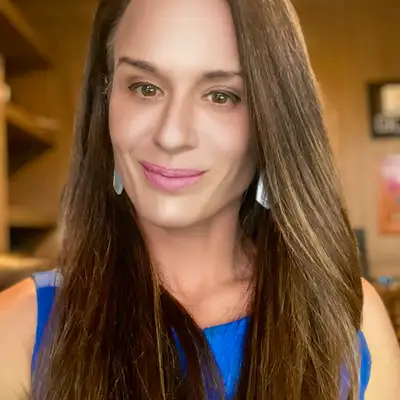
Leah Bucholz
Leah Bucholz is an Army combat veteran, board-certified Physician Assistant, former VA C&P examiner, and the founder of Prestige Veteran Medical Consulting. Through her work in medical evidence review and veteran education, Leah helps veterans better understand the medical side of the VA disability process, including nexus letters, DBQs, C&P exams, and complex medical opinions. She is also the host of The Veterans Disability Nexus podcast, where she discusses VA disability medical evidence from an educational and evidence-based perspective.